
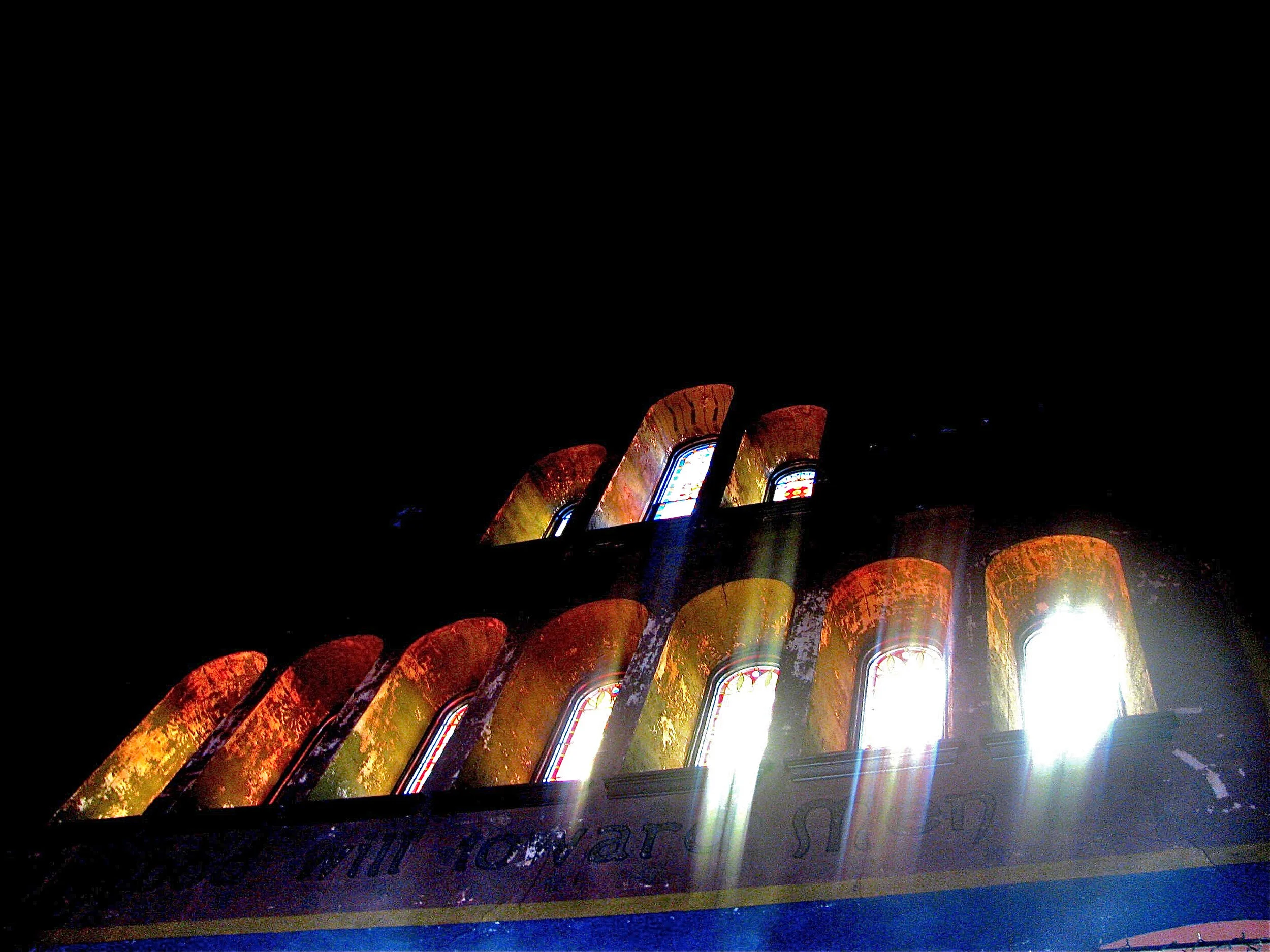
Shadow
Unedited Personal Journal 9/21/2020
Since March of 2020, I have been attending a regular 7:30 am (M-F) Zoom meeting. The experience has been part of continued effort to seek spiritually as dictated by my understanding of the 11th step.
The contribution by Carl Jung to Alcoholics Anonymous has been well document. But my personal gratitude for his work has continued with many additional readings over the last 29 plus years. It began with awareness that, despite evidence of my unmanageability and powerlessness (Step 1), I was always sure of one thing: my hopelessness. This idea is planted in our recovery literature and it is made very clear that many of us had the "hopeless condition of mind and body" that of our founder Bill W. described.
I remember in early sobriety being keenly aware of my separate selves: the good/the bad, the light/the dark, the successful/the failure, the boy/the man, and the gay/the straight. This bifurcation of my identity felt like the only normal way to live. In hindsight, it is a perfect sign of unmanageability. Well into sobriety when I could not longer spin the plates of responsibility, they feel and the powerlessness of this deception became clear. It is so evident in retrospect that this is, in fact, a significant part of the hopeless mind.
I have come to see the person who first picked up a drink as wounded. I have also come to see that the wound is central to healing. However, what was less clear for a very long time was how I used the wound, and its subsequent pain, as an excuse to live in a culture of sickness, or as some say the worlds, "pain body." The attention receives while sick is often greater than the attention paid when one is doing "well." This addiction to being sick, too, is a part of the disease.
While I agreed with Robert A. Johnson ( an outstanding writer in the tradition of Jung) that "if you can touch your shadow... a great deal of energy will flow from it," I could not seem to do the requisite action for this to happen. I could not do something outside the ordinary pattern that would release this energy. It was not until these Zoom meetings and finding a new sponsor that I heard: "You need some new ideas."
The first 18 years of my sobriety, I saw the shadow as separate from the self. This was, in fact, an old idea that needed to be replaced. Seeing the shadow as separate did not allow me to disaggregate the boy from the man. I have slowly learned that the man need not bring the boy along everyday as he attempts to "practice the principals in all his affairs." Imagine the shock when you realize that the wound had actually healed through step work, therapy, and participating in a healthy relationship.
If I was newly sober we might say this surrender to new ideas would be about Steps 1 and 2. However, with some time under my belts, with some working of the steps with a sponsor and as a sponsor, with years of service to the group, and the guidance of outside counsel I see it as the ultimate practice of Step 7. It is a pledge to allow for integration of the shadow and literal self when I say: " My creator, I am now willing that you have of me good and bad."
While we all know the steps go in order for a reason, when we have been around for a while and have done the steps, it is the seeking in the 11th Step that clearly informs our enduring work. Perhaps this is what Robert A. Johnson means when he refers to the "slender threads" and for us they are revealed in the program when we let go of the ego realities that we have developed in society and seek the mystical to guide and enrich out lives.